
Expert Radiator Repair in Poway, San Diego – EAC Poway
Radiator repair involves diagnosing and fixing issues in your vehicle’s cooling system that prevent engine overheating. According to AAA, cooling system failures cause nearly 40% of roadside breakdowns nationwide. In Poway’s warm climate, a functioning radiator isn’t optional it’s essential. This page explains what radiator repair includes, when you need it, and why EAC Poway is your trusted partner for car repair Poway residents rely on.
Get answers to all your questions from our team of experts
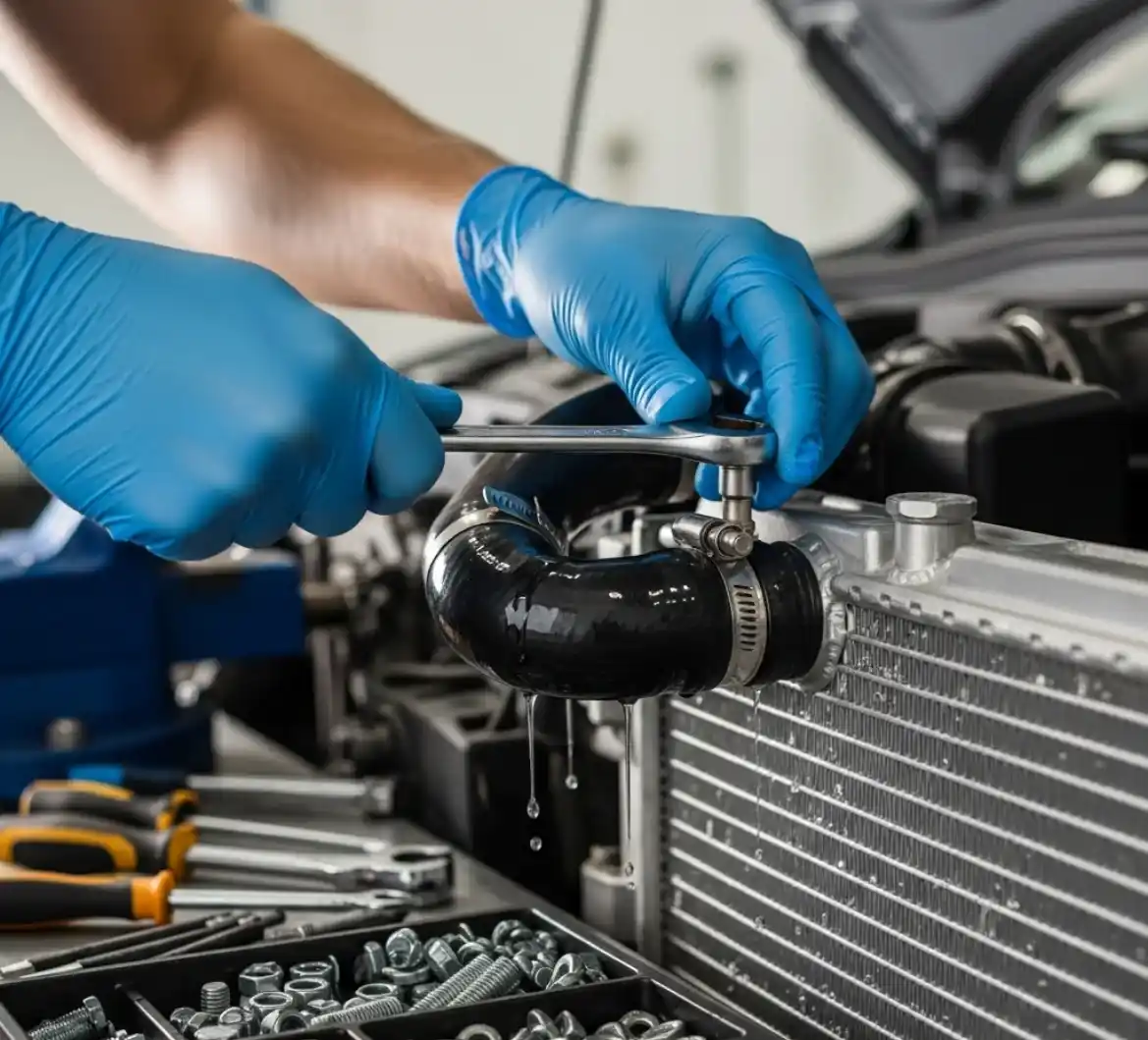
Why the radiator matters
The radiator is the heart of your car’s cooling system. It moves heat away from the engine so metal parts don’t overheat. Most passenger cars hold about 6–15 quarts of coolant depending on size and model. If the radiator fails, engines can overheat quickly and suffer expensive damage like warped heads or seized engines. Catching radiator problems early can save thousands in engine repair bills.
Radiators typically last 6–10 years under normal driving, but corrosion, coolant contamination, road salt, and physical damage can shorten that lifespan. Regular checks and coolant changes keep the system healthy and help you avoid roadside breakdowns.
Common radiator problems we fix
At EAC Poway, we repair the full range of radiator and cooling system issues:
- Leaks from radiator cores or tanks — small pinhole leaks often grow quickly
- Cracked plastic end tanks, common on modern radiators as they age
- Clogged passages and scale from old or mixed coolant
- Failed radiator cap or hoses causing pressure loss and leaks
- Faulty cooling fans or thermostats leading to poor circulation and overheating
- Corroded or damaged fins and tubes that reduce cooling efficiency
We start with a visual inspection, pressure test, and cooling system scan to pinpoint the source of trouble. Our goal is to repair what’s fixable and replace only when it’s cost-effective and safer for your vehicle.
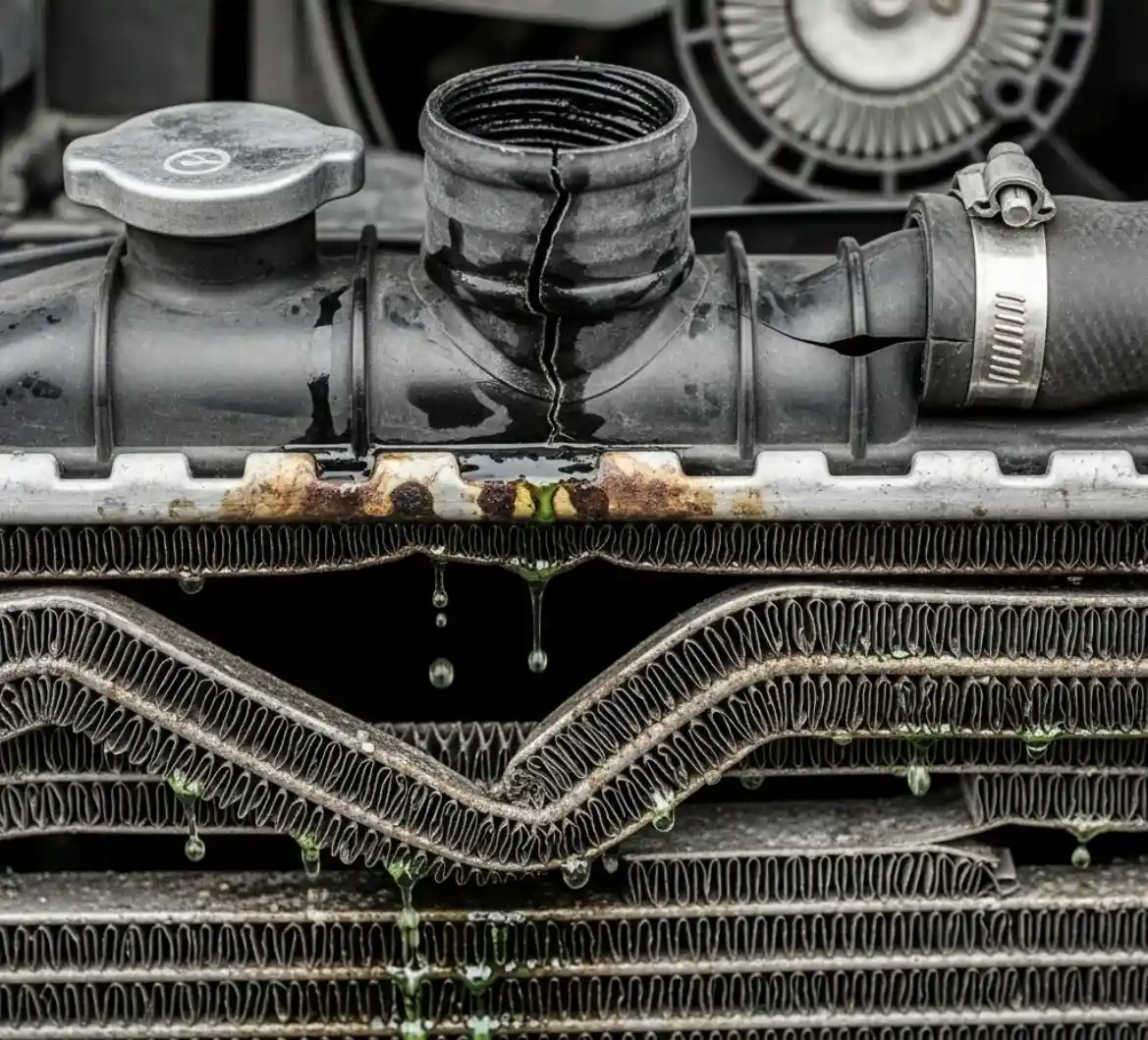
How we diagnose radiator issues
We use a clear, step-by-step approach so you know what’s wrong and why:
- Visual check inspect hoses, clamps, and tanks for obvious damage
- Cooling system pressure test pressurizes the system to reveal hidden leaks
- Thermostat and fan check confirm the thermostat opens and the fan runs properly
- Coolant analysis look for contamination, rust, or incorrect coolant type
- Flow testing check for restrictions or blockages when needed
After diagnosis, you receive a written estimate. We explain your options — patch, hose replacement, or full radiator replacement and never push unnecessary work.
Repair vs. replacement - real numbers
Costs depend on vehicle make and model. Here are typical ranges for the San Diego area:
- Small leak repair or hose clamp replacement: often $80–$200
- Radiator repair (minor solder/weld, simple patch): often $100–$300
- Radiator replacement (parts + labor): commonly $400–$1,200 depending on OEM vs. aftermarket and labor time
- Complete cooling system service (flush, new coolant, hoses, cap): usually $150–$350
These are typical ranges and can vary by vehicle. When a radiator is badly corroded or the plastic end tanks are cracked, replacement is usually the safer long-term choice. EAC Poway provides transparent pricing and explains warranty coverage for parts and labor.
Radiator replacement & installation services
When replacement is the right call, we handle the whole job:
- Remove old radiator, hoses, and clamps
- Inspect and replace hoses, thermostat, and radiator cap if needed
- Install a quality OEM or OEM-equivalent radiator matched to your vehicle
- Fill with manufacturer-specified coolant and perform a complete bleed to remove air pockets
- Road-test to confirm proper temperature and no leaks
We follow factory specifications to protect your engine and maintain any manufacturer’s warranty.
Cooling system maintenance - simple steps to avoid trouble
Regular maintenance prevents many radiator problems. We recommend:
- Coolant change interval: follow your owner’s manual commonly every 2–5 years or 30,000–50,000 miles for modern coolants
- Visual checks every oil change: inspect hoses and clamps for wear or soft spots
- Watch for warning signs: dashboard temperature spikes, puddles under the car, sweet-smelling steam, or low coolant levels
- Use the right coolant: mixing incompatible types can cause scale and corrosion
At EAC Poway, we offer coolant flushes and system inspections. Keeping coolant fresh and the system clean helps radiators last longer and protects your engine from expensive repairs.
Related services we often perform with radiator work
Cooling system problems can be connected to other systems. We commonly combine services for a complete fix:
- Car Engine Repair — overheating left too long can damage the engine; we diagnose and repair issues found during coolant work
- Car Oil Change — fresh oil helps cool engine internals and is often done after overheating repairs
- Car AC Repair — cooling system and AC issues sometimes appear together, especially after heat-related stress
Combining these services gives you a full picture of your vehicle’s health and helps avoid repeat visits.
Why choose EAC Poway for radiator repair
- Local & convenient: Based near Poway Town Centre, serving Poway, Rancho Bernardo, Rancho Peñasquitos, and greater San Diego
- ASE-certified technicians: Skilled techs follow manufacturer procedures for accurate diagnosis and repair
- Modern testing gear: Pressure testers, electronic scanners, and coolant analyzers to find hidden problems
- Transparent estimates: Written estimate before any work starts — no surprise fees
- Quality parts & warranty: OEM or high-quality aftermarket radiators, backed by parts and labor warranties
What to do if your car overheats right now
If your temperature gauge rises or steam appears:
- Pull over safely and turn off the engine — letting it run could cause severe damage
- Wait for the engine to cool completely
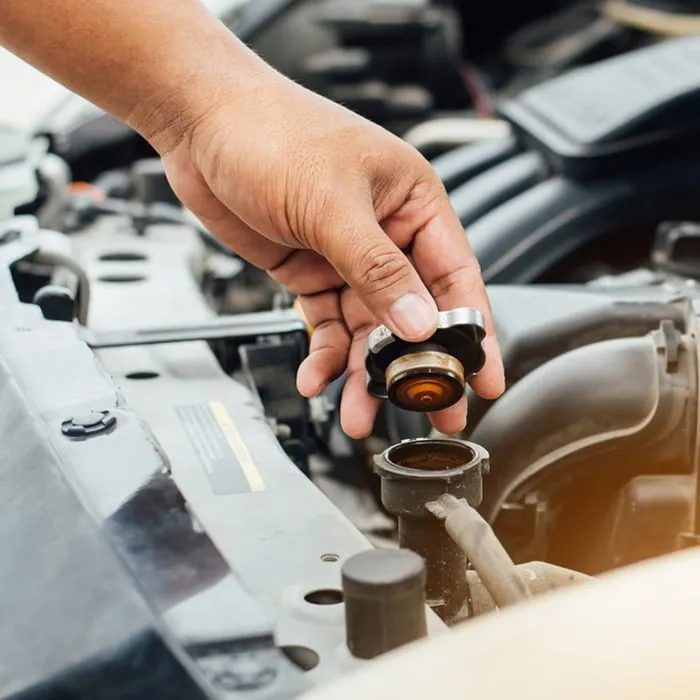
- Do not open the coolant reservoir or radiator cap while the engine is hot
- Check the coolant level once cool — if low, add coolant or water temporarily to reach a safe location
- Call our shop or a tow service if you can’t safely drive — continuing to drive can cause permanent engine damage
EAC Poway offers prompt radiator inspections to get you back on the road safely.
Our other Services
These services complement and help your car stay safe and reliable all year.
Ready for a cooler drive?
If you suspect a leak, notice temperature spikes, or your heater isn’t working right, don’t wait. Book a radiator inspection with EAC Poway today. We’ll provide a clear diagnosis, a fair estimate, and the right repair to get you back on the road with confidence.
Call us now or schedule online for fast radiator repair and cooling system service.
Frequently Asked Questions
Costs vary based on the problem. Simple hose replacements run $100-$200. Full radiator replacement ranges from $400-$800 depending on your vehicle. Complex repairs involving water pumps or thermostats add to the total. We provide detailed estimates before starting work so you know exactly what to expect.
No, even small leaks cause big problems quickly. Coolant loss leads to overheating, which damages your engine permanently within minutes. Pull over immediately if you see steam or your temperature gauge spikes. Tow your vehicle to avoid catastrophic engine failure that costs thousands to repair.
Simple repairs like hose replacement take 1-2 hours. Full radiator replacement needs 3-4 hours. System flushes add another hour. We’ll give you an accurate timeframe when we diagnose your specific issue. Most repairs complete the same day.
A flush is preventive maintenance that removes old coolant and debris. Repair fixes broken components like leaks or clogs. Think of flushing like an oil change—regular maintenance. Repair happens when something breaks. Both keep your cooling system healthy but serve different purposes.
Yes, severe overheating triggers the check engine light and may illuminate the temperature warning light. Modern vehicles have sensors that detect cooling issues early. Never ignore these warnings. What starts as a radiator problem quickly becomes an engine problem if you keep driving.
Most radiators last 8-10 years with proper maintenance. Regular coolant changes prevent internal corrosion that shortens radiator life. Replace yours when leaks become frequent or internal blockages don’t clear with flushing. Quality maintenance extends radiator lifespan significantly.
Small cracks in plastic tanks sometimes accept epoxy repairs temporarily. Metal radiator cores with cracks usually need replacement because welding often fails under pressure and heat cycles. We assess each situation individually and recommend the most cost-effective long-term solution.
Modern vehicles use specific coolant formulations green, orange, pink, or yellow. Using the wrong type causes corrosion and component damage. We use manufacturer-recommended coolant for your specific make and model. Never mix different coolant types without professional guidance.