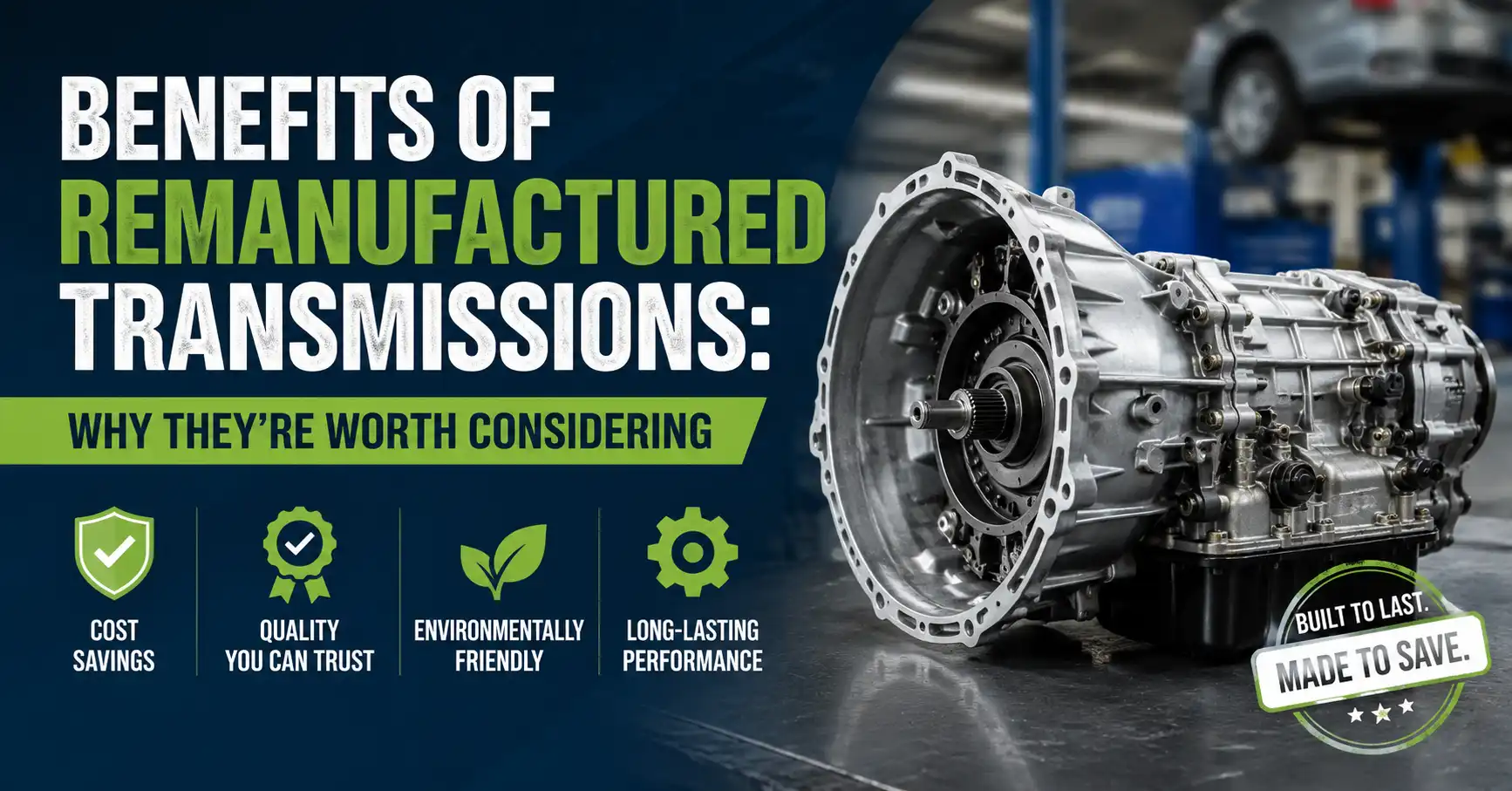
Benefits of Remanufactured Transmissions: Why They’re Worth Considering
A remanufactured transmission is a used transmission unit that has been completely disassembled, cleaned, inspected, and rebuilt with new or refurbished parts to meet original manufacturer specifications. According to industry data, remanufactured transmissions can cost 40-60% less than new units while offering comparable reliability. This guide explains why remanufactured transmissions make sense for many drivers in San Diego and what benefits they offer beyond just saving money.
What Makes Remanufactured Transmissions Different From Rebuilt Ones?
Remanufactured transmissions undergo a complete factory-level restoration process where every component is inspected and replaced if worn, while rebuilt transmissions typically only fix known problem areas.
The remanufacturing process starts with full disassembly. Technicians remove every gear, shaft, seal, and valve. Each part gets cleaned and measured against factory tolerances. Parts that show any wear get replaced, not reused. The transmission is then reassembled with updated components that address known weak points in the original design.
Rebuilt transmissions take a different approach. A mechanic identifies the failed components, replaces those specific parts, and reassembles the unit. This fixes the immediate problem but leaves other worn parts in place. Those parts might fail later.
The difference shows up in warranties too. Remanufactured units often come with warranties matching or exceeding new transmissions because manufacturers stand behind the entire rebuild process.
How Much Money Can You Save With a Remanufactured Transmission?
Remanufactured transmissions typically cost $1,800 to $3,500 including installation, compared to $4,000 to $8,000 for new transmissions, delivering savings of 50% or more for most vehicle owners.
The math changes depending on your vehicle. A Honda Accord transmission replacement with a remanufactured unit runs about $2,200 installed. The same job with a new transmission costs $4,500 or more. That’s $2,300 back in your pocket.
Luxury and specialty vehicles see even bigger gaps. A BMW X5 transmission replacement with a remanufactured unit costs around $3,800. The new unit? Over $7,000. Diesel trucks and performance vehicles show similar patterns.
San Diego drivers also avoid the depreciation hit. Installing a $7,000 new transmission in a vehicle worth $12,000 makes no financial sense. A remanufactured unit keeps the vehicle running without the upside-down investment.
Pro Tip: If you need Car Transmission Repair in Poway, get quotes for both new and remanufactured options to compare total installed costs.
Do Remanufactured Transmissions Last as Long as New Ones?
Quality remanufactured transmissions last 100,000 to 150,000 miles when properly maintained, matching the lifespan of new transmissions for most driving conditions.
Longevity depends on the remanufacturing quality and your maintenance habits. Units from established remanufacturers include updates that correct original design flaws. Some actually outlast the factory transmission because engineers have years of failure data to work with.
A 2019 study by the Automotive Parts Remanufacturers Association found that properly remanufactured transmissions showed failure rates within 2% of new units during the first 50,000 miles. The gap widens only if the remanufacturer cuts corners or uses substandard parts.
Your driving patterns matter too. Stop-and-go city driving in San Diego traffic stresses transmissions more than highway miles. Regular Car Oil Change in Poway services and transmission fluid changes extend life regardless of whether the unit is new or remanufactured.
What Environmental Benefits Do Remanufactured Transmissions Offer?
Choosing a remanufactured transmission prevents approximately 150 pounds of metal waste from entering landfills and reduces manufacturing emissions by up to 80% compared to producing new units.
Manufacturing a new transmission requires mining raw materials, smelting metal, machining components, and shipping parts globally. Each step burns energy and generates waste. The EPA estimates that remanufacturing automotive parts prevents over 2 billion pounds of waste annually.
Remanufacturing reuses the existing core. The metal casting, housing, and major components stay in circulation. Only worn internal parts get replaced. This cuts resource extraction dramatically and reduces the carbon footprint of your repair.
San Diego’s environmental goals align with choosing remanufactured options. The city’s Climate Action Plan targets waste reduction and circular economy practices. Your transmission choice contributes to those goals while saving money.
Are There Performance Advantages to Remanufactured Transmissions?
Modern remanufactured transmissions often include engineering updates and improved materials that address weaknesses in original designs, potentially delivering smoother shifts and better reliability than the factory transmission.
Remanufacturers track failure patterns across thousands of units. They know which clutch packs wear prematurely, which seals leak first, and which solenoids fail early. Those components get upgraded during remanufacturing with improved versions.
Take the Dodge RAM 68RFE transmission as an example. The original design had weak valve body springs that caused harsh shifting. Quality remanufacturers install upgraded springs during the rebuild. The result shifts better than it did when new.
Performance vehicles benefit even more. Enthusiasts who need their transmission to handle modifications often choose remanufactured units specifically for the upgrade options. Stronger clutches, better cooling, and reinforced components come standard in many performance rebuilds.
That said, not every remanufactured transmission includes upgrades. Ask your installer what improvements the specific unit includes. Eac Poway works with suppliers who document every enhancement made during remanufacturing.
How Do Warranties Compare Between New and Remanufactured Transmissions?
Reputable remanufactured transmissions include warranties ranging from 12 months/12,000 miles up to 3 years/unlimited miles, often matching or exceeding warranties on new aftermarket transmissions.
| Transmission Type | Typical Warranty | Coverage Details |
| New OEM | 3 years/36,000 miles | Full parts and labor |
| New Aftermarket | 1-2 years/12,000-24,000 miles | Parts and labor with conditions |
| Remanufactured | 1-3 years/12,000-unlimited miles | Parts and labor, transferable |
| Rebuilt | 90 days to 1 year | Parts only in many cases |
Read warranty terms carefully. Some only cover parts, sticking you with labor costs if something fails. Others require you to use specific fluids or perform service at certain intervals. National remanufacturers often honor warranties anywhere in the country, which helps if you move or travel.
Local shops sometimes offer better warranty support than big chains. A San Diego transmission shop that installs the unit will handle warranty claims faster than shipping the transmission back to a distant warehouse. Ask about the claim process before committing.
What Should You Look for When Choosing a Remanufactured Transmission?
Not all remanufactured transmissions meet the same standards. The supplier matters as much as the price. Look for these quality indicators before making a decision.
Certification and Industry Standards
Reputable remanufacturers follow Automotive Parts Remanufacturers Association standards. APRA certification means the company meets strict quality benchmarks for disassembly, cleaning, inspection, and testing. Ask if the supplier is APRA certified.
Testing Procedures
Quality remanufacturers test every transmission before shipping. Dynamometer testing simulates real-world loads and verifies shift points, pressure, and temperature performance. Units should pass computer-controlled testing that catches problems before installation.
Parts Quality and Updates
Ask what parts get replaced during remanufacturing. All seals, gaskets, and friction materials should be new. Solenoids, sensors, and other wear items should be replaced or tested to strict tolerances. Upgraded components should address known failure points.
Core Inspection Reports
The best suppliers inspect and grade cores before remanufacturing. They reject cores with cracks, severe wear, or damage that remanufacturing cannot fix. Ask if you can see the inspection criteria they use.
When you need other services like Car Engine Repair or Car AC Repair in Poway, San Diego, the same quality standards apply. Work with shops that verify supplier credentials and stand behind the parts they install.
Frequently Asked Questions
Will a remanufactured transmission void my vehicle warranty?
No. Federal law prohibits manufacturers from voiding warranties solely because you use aftermarket or remanufactured parts. They must prove the part caused a specific failure to deny a warranty claim. Most vehicle warranties expire before transmission replacement becomes necessary anyway.
How long does it take to install a remanufactured transmission?
Installation typically takes 4 to 10 hours depending on vehicle type and drivetrain configuration. Front-wheel-drive cars generally take less time than rear-wheel-drive trucks. Most shops complete the job in one day, though some may need two days for complex vehicles or if additional repairs are needed.
Can I return a remanufactured transmission if it does not work?
Most suppliers offer 30-day return policies if the transmission fails or does not fit properly. You will need to follow their return procedures and may need to pay return shipping. The warranty covers failures after installation. Read the return policy before purchasing.
Do remanufactured transmissions come with torque converters?
Some do, some do not. Ask specifically whether the torque converter is included. Installing a worn torque converter with a remanufactured transmission causes problems. Many experts recommend replacing the torque converter regardless to ensure compatibility and performance.
Is it better to remanufacture my existing transmission or buy a remanufactured unit?
Buying a remanufactured unit is usually faster and costs less. Remanufacturing your transmission means the shop needs to remove it, send it out, wait for the rebuild, and reinstall it. That adds weeks to the timeline. Pre-remanufactured units ship quickly and come with established warranties.
What happens to my old transmission after replacement?
Your old transmission becomes the core that gets sent back to the remanufacturer. This core exchange keeps costs down. You typically pay a core charge upfront that gets refunded when you return the old unit. The remanufacturer inspects it and either rebuilds it for another customer or recycles the materials.
Do automatic and manual transmissions both get remanufactured?
Yes. Both automatic and manual transmissions are commonly remanufactured. Automatic transmissions are more complex and represent the majority of remanufacturing work, but manual transmission rebuilding follows the same quality standards and offers similar benefits.