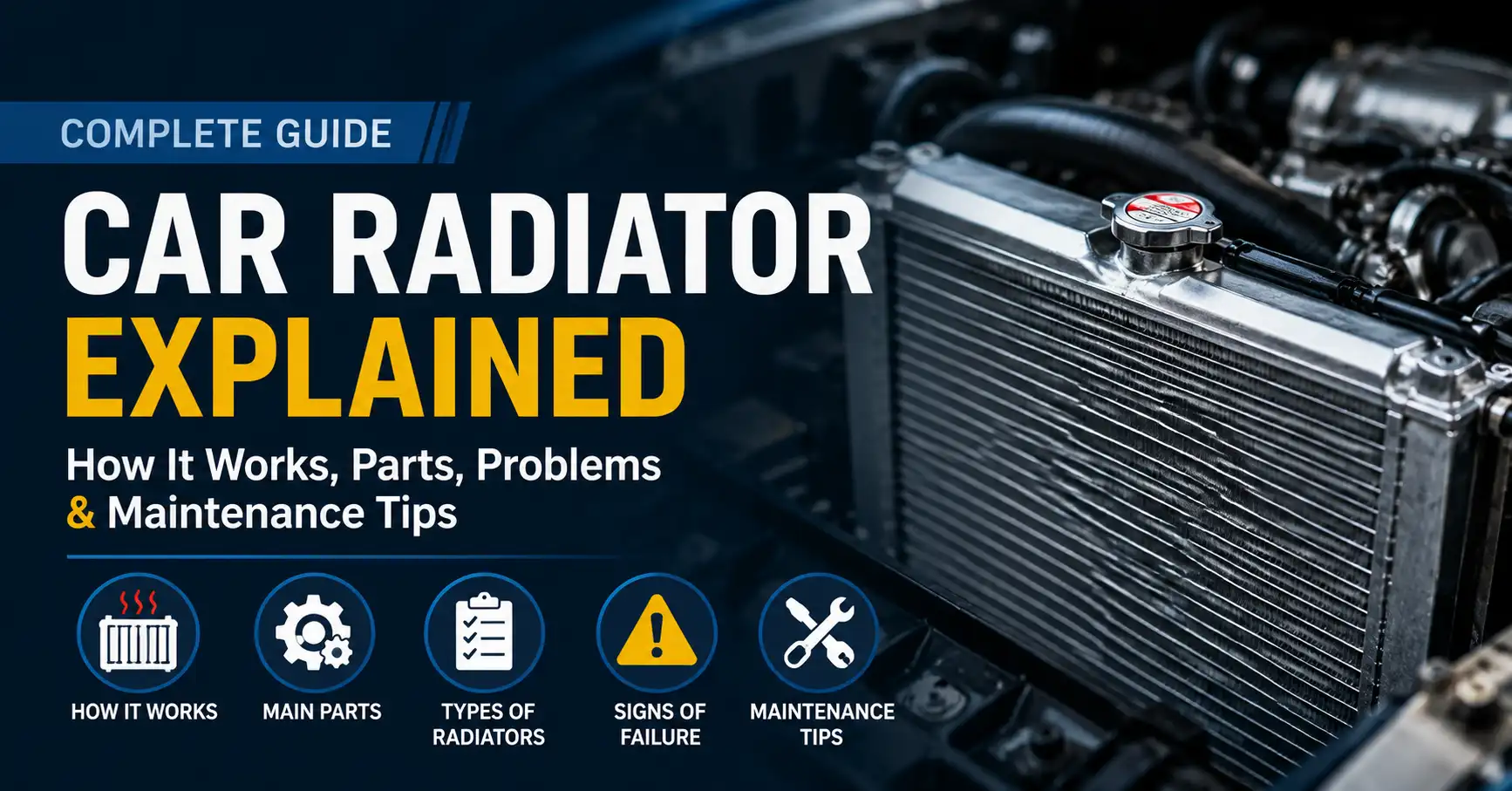
What Is A Car Radiator? A Complete Guide to Your Vehicle’s Cooling System
A car radiator is a heat exchanger that keeps your engine from overheating by dispersing coolant through metal fins and tubes. It works alongside other cooling system parts to regulate engine temperature and prevent damage.
According to AAA, engine cooling system failures rank among the top five reasons for roadside breakdowns in the United States, affecting over 35 million drivers each year. Most of these issues trace back to radiator problems that could have been caught early.
This guide explains how radiators work, what parts make up the system, and how to spot trouble before you’re stranded. You’ll also learn maintenance tips that extend radiator life and when to seek professional radiator repair in poway san diego.
How Does a Car Radiator Work?
A car radiator cools hot engine coolant by pulling heat through thin metal tubes and fins while air flows through the core. The cooled liquid then cycles back to absorb more engine heat, creating continuous temperature regulation.
Your engine generates tremendous heat during combustion. Without proper cooling, metal parts would warp or seize within minutes. The radiator sits at the front of your vehicle where moving air aids the cooling process.
Hot coolant enters through the top inlet tank after circulating through engine passages. As it flows downward through narrow tubes, air passes over aluminum or copper fins attached to these tubes. Heat transfers from the liquid to the metal, then to the air. Cooled fluid exits through the bottom outlet tank and returns to the engine block.
The water pump drives this circulation while the thermostat controls flow based on temperature. When your engine is cold, the thermostat stays closed to speed warm-up. Once operating temperature is reached, it opens to allow radiator cooling.
What Are the Main Parts of a Radiator?
The main radiator components include the core with tubes and fins, inlet and outlet tanks, a pressure cap, and connecting hoses. Each part plays a specific role in maintaining proper coolant flow and temperature control.
The Radiator Core
The core contains rows of thin metal tubes running from top to bottom. Flat fins attach between these tubes to maximize surface area for heat transfer. Modern radiators use aluminum for light weight and excellent thermal conductivity.
Tube design varies between parallel flow and cross flow configurations. Cross flow radiators move coolant horizontally and work well in low-hood vehicles. Parallel flow designs move coolant vertically and suit taller engine bays.
Inlet and Outlet Tanks
Tanks made of plastic or metal sit at opposite ends of the core. The inlet tank receives hot coolant from the engine through the upper radiator hose. The outlet tank sends cooled fluid back through the lower hose.
Tank placement depends on radiator orientation. Vertical flow radiators have top and bottom tanks. Horizontal designs use side tanks. Quality tanks resist cracking from temperature cycling and pressure changes.
Pressure Cap and System
The radiator cap does more than seal the system. It maintains pressure between 13 and 16 PSI, which raises the coolant boiling point above 212°F. This prevents vapor pockets that reduce cooling efficiency.
When pressure exceeds the cap rating, a spring-loaded valve opens to release excess into an overflow reservoir. As the system cools, a vacuum pulls coolant back from the reservoir. This design prevents air from entering the system.
What Types of Radiators Are Available?
Car radiators come in single-core, dual-core, and triple-core designs based on tube rows. Material choices include copper-brass for durability or aluminum for lighter weight and better heat dissipation in modern vehicles.
| Radiator Type | Best For | Heat Capacity | Weight |
| Single-Core Aluminum | Standard daily drivers | Moderate | Lightest |
| Dual-Core Aluminum | Performance vehicles | High | Light |
| Copper-Brass | Classic cars, heavy duty | Very high | Heavy |
| Triple-Core Racing | Track cars, extreme conditions | Maximum | Medium |
Aluminum radiators dominate new vehicle production because they shed heat faster and reduce overall vehicle weight. The material resists corrosion better than older copper-brass designs. Copper radiators can be repaired more easily through soldering, which appeals to restoration enthusiasts.
How Can You Tell If Your Radiator Is Failing?
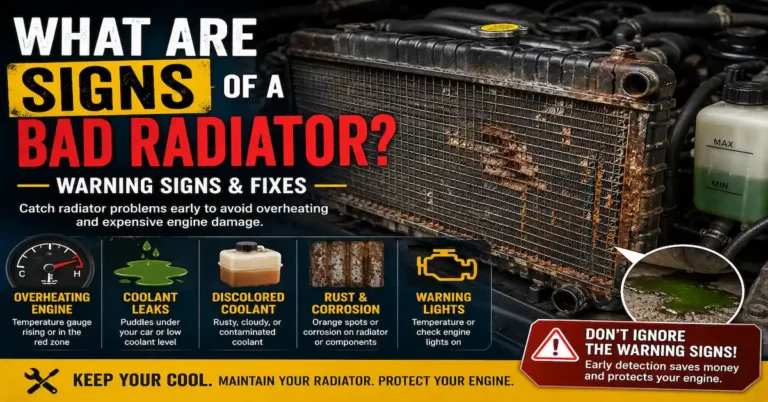
Common radiator failure signs include engine overheating, visible coolant leaks under the vehicle, rust-colored coolant, low coolant levels without external leaks, and steam from under the hood. Any of these symptoms requires immediate attention.
Temperature gauge readings in the red zone indicate serious cooling problems. Pull over immediately if you see this. Continuing to drive risks catastrophic engine damage that requires expensive Car Engine Repair in Poway.
Sweet-smelling coolant odors inside or outside the vehicle point to leaks. Check under your car after it sits overnight. Green, orange, or pink puddles confirm coolant loss. Small leaks may only appear when the system is hot and pressurized.
Internal vs. External Radiator Leaks
External leaks show obvious drips from hose connections, the radiator core, or tank seams. Internal leaks are sneakier. A blown head gasket can let coolant into engine oil or combustion chambers. Check your oil dipstick for milky residue or monitor exhaust for white smoke.
What Maintenance Does a Radiator Need?
Regular radiator maintenance includes checking coolant levels monthly, flushing the system every 30,000 miles or as recommended, inspecting hoses for cracks annually, and testing the pressure cap. These steps prevent most cooling system failures.
Never open a radiator cap when the engine is hot. Pressurized coolant can spray out and cause severe burns. Wait at least 30 minutes after shutdown before checking levels. Use a thick cloth and turn the cap slowly to release any remaining pressure.
Mix coolant with distilled water at a 50/50 ratio unless you buy pre-mixed formula. Tap water contains minerals that cause scale buildup inside the radiator tubes. This restricts flow and reduces cooling capacity over time.
When to Flush Your Radiator
Coolant breaks down chemically and loses rust inhibitors after extended use. Brown or rusty coolant indicates corrosion inside your cooling system. A complete flush removes old fluid, rust particles, and scale deposits.
The process involves draining old coolant, running a cleaning solution through the system, flushing with water, and refilling with fresh coolant. Most manufacturers recommend this service every two to three years. High-mileage vehicles benefit from more frequent flushes.
Regular Car Oil Change in Poway appointments provide a good opportunity to have your radiator and cooling system inspected by professionals who can spot early warning signs.
Can You Drive With a Bad Radiator?
Driving with a failing radiator risks engine overheating, which can warp cylinder heads, blow head gaskets, or seize the engine entirely. Even short trips can cause thousands of dollars in damage once the temperature gauge enters the danger zone.
Some drivers attempt to limp home by running the heater on maximum. This pulls heat from the engine into the cabin but only provides minimal help. Stop driving if the temperature gauge climbs into the red or if you see steam.
Small leaks might seem manageable with frequent coolant top-offs. That approach fails when the leak worsens suddenly or when you’re stuck in traffic with no airflow. The repair cost for a new radiator pales compared to engine replacement.
How Much Does Radiator Repair Cost in San Diego?
Radiator repair costs in San Diego range from $150 for minor hose replacement to $900 for complete radiator replacement including labor. The final price depends on your vehicle make, radiator type, and whether additional cooling system parts need replacement.
Small leaks in tanks or seams can sometimes be repaired for $100 to $200. Core damage typically requires full replacement since modern aluminum radiators can’t be patched reliably. Labor adds $100 to $300 depending on how difficult access is in your specific vehicle.
European and luxury vehicles cost more due to specialized parts and complex engine bay layouts. If you need transmission cooler lines or additional hoses, add another $50 to $150. Professional shops like auto repair poway San Diego ca, provide detailed estimates before starting work.
Your cooling system connects to other vital components. Issues with the Car Transmission Repair in Poway system can stem from radiator problems since many transmissions use radiator coolers.
Frequently Asked Questions
How long does a car radiator last?
Most radiators last 8 to 10 years or 150,000 miles with proper maintenance. Factors like coolant quality, driving conditions, and climate affect lifespan. Regular flushes and inspections extend radiator life significantly.
What causes a radiator to crack?
Radiators crack from physical impact, age-related material fatigue, freezing due to insufficient antifreeze, or excessive pressure from a faulty cap or thermostat. Road debris hitting the core is a common cause in daily driving.
Can I use water instead of coolant?
Pure water lacks rust inhibitors and freezing protection that coolant provides. In emergencies, water gets you home safely. Long-term use causes corrosion and scale buildup that damages the entire cooling system.
Why is my car overheating with a new radiator?
Overheating after radiator replacement suggests air pockets in the system, a stuck thermostat, failing water pump, or blown head gasket. Proper bleeding of air during installation is critical for new radiators to function correctly.
What color should radiator fluid be?
Fresh coolant appears bright green, orange, pink, or blue depending on type. Dark brown, rusty, or murky coolant indicates contamination and needs immediate flushing. Never mix different coolant colors without checking compatibility.
Do radiator stop-leak products work?
Stop-leak additives temporarily seal minor leaks in small pinholes or seams. They cannot fix large cracks or damaged cores. These products risk clogging narrow passages in the radiator and heater core if overused.
How often should I check my radiator?
Check coolant levels monthly and inspect for leaks during every oil change. A quick visual inspection takes two minutes and catches problems before they leave you stranded. Professional inspections should happen annually.
Can a radiator be repaired or must it be replaced?
Minor leaks in plastic tanks or end caps can sometimes be repaired. Core damage, extensive corrosion, or multiple leak points require replacement. Modern aluminum radiators are difficult to repair reliably compared to older copper-brass designs.