What Parts of a Transmission Can Be Repaired?
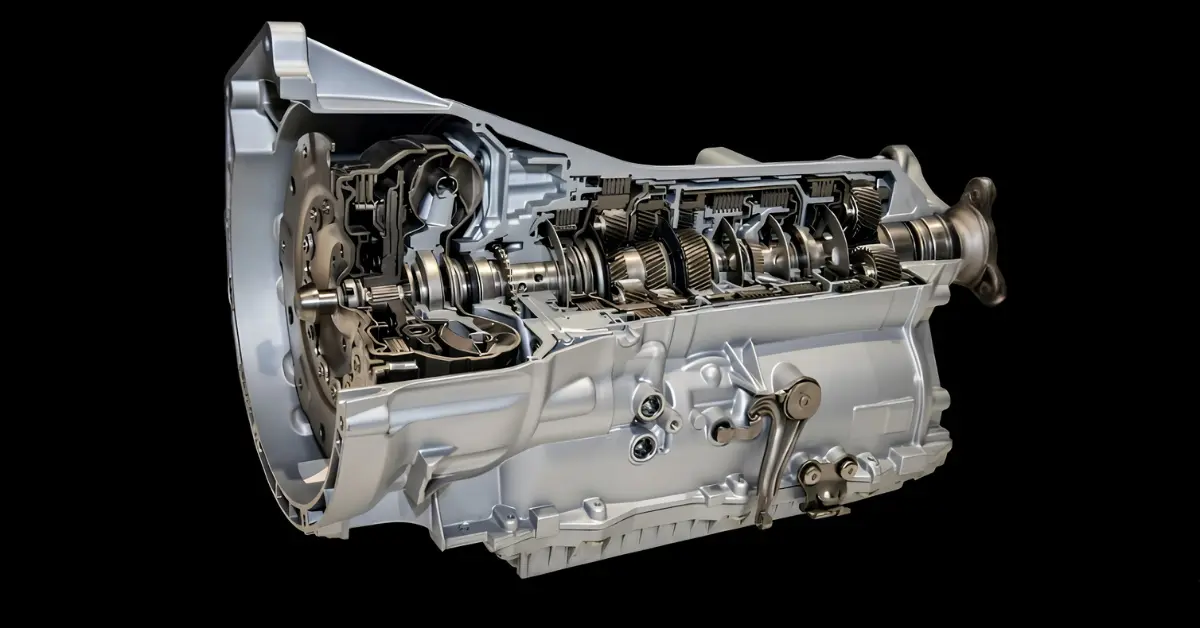
Your vehicle’s transmission is a complex system made up of dozens of moving parts. When something goes wrong, you don’t always need a full replacement. Many components can be repaired or replaced individually, saving you both time and money. Around 35% of transmission problems can be solved with targeted repairs, according to automotive industry data from the Automatic Transmission Rebuilders Association.
This guide breaks down which transmission parts are repairable, when replacement makes more sense, and what you can expect during the process. If you’re dealing with transmission issues in Southern California, understanding these basics helps you make informed decisions about your vehicle.
Which Transmission Components Are Most Commonly Repaired?
Quick answer: The most repairable transmission parts include seals and gaskets, solenoids, torque converters, clutch packs, bands, filters, and valve bodies. These components handle wear and tear regularly and can often be replaced without a full transmission overhaul.
Seals and Gaskets
Seals and gaskets prevent fluid leaks throughout the transmission system. Over time, heat and pressure cause them to crack or shrink. Leaking fluid shows up as red or brown spots under your car.
Replacing these is straightforward. A mechanic removes the damaged seal, cleans the surface, and installs a new one. This repair usually takes a few hours and costs significantly less than major work.
Transmission Solenoids
Solenoids control fluid flow inside your transmission. When they fail, you might notice delayed shifts, harsh gear changes, or your check engine light turning on.
These electronic components can be tested with a multimeter. If one fails, it’s swapped out. Most modern transmissions have multiple solenoids, but you don’t always need to replace the entire pack.
Torque Converter
The torque converter connects your engine to the transmission. When it fails, you’ll feel shuddering at highway speeds or strange lags between shifts.
This component can be replaced without tearing down the entire transmission. But it requires draining the fluid and removing the transmission housing. Always flush the cooler lines when installing a new converter to prevent contamination.
What About Internal Parts Like Clutches and Bands?
Quick answer: Clutch packs and bands are internal friction components that engage gears. They wear down from heat and friction over time and can be replaced during a partial rebuild without replacing the entire transmission assembly.
Clutch packs transfer power between gears. They consist of friction plates and steel plates stacked together. When these wear out, you get gear slippage.
Bands wrap around drums inside the transmission to lock gears. They’re lined with friction material that eventually wears thin. Both can be accessed and replaced during transmission service.
The catch? Replacing these requires partial disassembly. Your mechanic needs to drop the transmission pan, remove the valve body, and access the internal components. It’s more involved than external repairs but still far cheaper than replacement.
How Repair Works for These Parts
Here’s the typical process:
- Remove transmission pan and drain fluid
- Take out the valve body to access internals
- Inspect clutch plates and bands for wear
- Replace worn friction materials and steel plates
- Measure clearances with feeler gauges
- Reassemble with new gaskets and fresh fluid
This approach works well when the transmission case and hard parts remain in good condition. For transmission repair san diego drivers can trust, choosing a shop that evaluates which parts actually need replacement is critical.
Can the Valve Body Be Repaired?
Quick answer: Yes, valve bodies can often be cleaned, reconditioned, or replaced. They control hydraulic pressure and shift timing. Sticking valves or worn bores cause erratic shifting and can usually be fixed without full transmission replacement.
The valve body acts like the brain of your automatic transmission. It routes fluid through various passages to engage the right gears at the right time.
When valves stick or bores wear out, pressure becomes inconsistent. You’ll experience rough shifts, delayed engagement, or slipping. Sometimes cleaning removes debris and restores function. Other times, worn bores need machining or the entire valve body needs replacement.
Remanufactured valve bodies offer a reliable middle ground. They’re tested and calibrated to meet OEM specs.
What About Transmission Pumps and Hard Parts?
Quick answer: Transmission pumps circulate fluid and maintain hydraulic pressure. They can be replaced individually if the pump gears crack or wear unevenly. Hard parts like the case or planetary gear sets usually require full transmission replacement if damaged.
The pump sits at the front of the transmission. It’s driven by the torque converter and creates the pressure needed for everything else to work. When it fails, line pressure drops, causing poor lubrication and overheating.
Pump replacement requires removing the transmission from the vehicle. But it’s still considered a targeted repair rather than a complete rebuild.
When Repair Doesn’t Make Sense
Some parts aren’t worth repairing. If the transmission case cracks, planetary gear sets break, or the main shaft bends, replacement becomes the only realistic option.
A good mechanic evaluates the overall condition before recommending repairs. If multiple hard parts show damage, a rebuilt or remanufactured transmission often costs less than piecemeal fixes.
How Do You Know Which Parts Need Repair?
Quick answer: Diagnostics start with reading trouble codes, checking fluid condition, and performing pressure tests. A visual inspection after removing the pan reveals debris, worn clutches, and damaged seals. These tests identify which specific parts need attention.
Your mechanic should start with a scan tool to pull diagnostic codes. These codes point to specific solenoids, sensors, or circuits that aren’t functioning properly.
Next comes the fluid check. Dark, burnt fluid with metal shavings signals internal damage. Clean fluid with proper level and color suggests external issues like seals or sensors.
Pressure testing measures hydraulic pressure at different points in the transmission. Low pressure pinpoints pump problems, valve body issues, or internal leaks.
Finally, dropping the pan allows visual inspection. You’ll see friction material from worn clutches, metal shavings from damaged gears, or broken bands.
| Component | Repair Complexity | Typical Labor Time | When to Replace vs Repair |
| Seals/Gaskets | Low | 1-3 hours | Always repairable |
| Solenoids | Low to Medium | 2-4 hours | Replace individual units |
| Torque Converter | Medium | 4-6 hours | Replace if contaminated |
| Clutch Packs | Medium to High | 6-10 hours | Repair during rebuild |
| Valve Body | Medium | 4-8 hours | Clean or replace |
| Pump | High | 8-12 hours | Replace if gears damaged |
What Should You Ask Your Mechanic?
Quick answer: Ask which specific parts failed, whether they recommend repair or replacement, what caused the failure, and what warranty they offer. Request an itemized estimate showing parts and labor costs separately before authorizing work.
A trustworthy shop explains their diagnosis clearly. They should show you damaged parts and explain why certain components need attention.
Questions to ask:
- What diagnostic tests did you perform?
- Can you show me the damaged parts?
- Which parts can be repaired versus replaced?
- What caused this failure?
- How can I prevent this from happening again?
- What warranty comes with the repair?
For reliable poway auto repair, choose a shop that takes time to educate you about your options.
Pro Tip: Always get a written estimate before authorizing transmission work. Reputable shops provide detailed breakdowns of parts and labor costs.
Frequently Asked Questions
Can a slipping transmission be repaired without replacement?
Yes, if slipping comes from worn clutches, low fluid, or bad solenoids. These can be fixed without full replacement. But if hard parts like gears or shafts are damaged, you’ll need a rebuild or replacement.
How long do transmission repairs typically last?
Quality repairs with OEM or remanufactured parts typically last 50,000 to 100,000 miles when maintained properly. Regular fluid changes and driving habits significantly impact longevity.
Is it worth repairing an old transmission?
It depends on your vehicle’s overall condition and value. If the car is worth $5,000 and repairs cost $1,500, it usually makes sense. But if repairs approach half the vehicle’s value, replacement might be smarter.
What’s the difference between a repair and a rebuild?
Repair replaces specific failed components while leaving the rest intact. A rebuild disassembles the entire transmission, inspects everything, and replaces all worn parts. Rebuilds cost more but provide comprehensive restoration.
Can I drive with a bad transmission solenoid?
You can drive short distances, but it’s not recommended. A failed solenoid causes erratic shifting that can damage other transmission components. Get it diagnosed and repaired quickly to prevent further damage.
How much does transmission repair cost compared to replacement?
Targeted repairs typically range from $300 to $1,500 depending on the part. Full rebuilds run $1,800 to $3,500. Replacement with a remanufactured unit costs $2,500 to $4,500 for most vehicles.
Will repaired transmission parts fail again?
Quality parts installed correctly typically don’t fail prematurely. However, if underlying issues like overheating or contaminated fluid caused the original failure and aren’t addressed, new parts can fail too.