
What Are the Symptoms of Bad Suspension?
Your car starts bouncing more than usual on rough roads. That’s often the first clue your suspension system is failing. The suspension keeps your tires connected to the road and absorbs bumps to give you a smooth, controlled ride.
According to the National Highway Traffic Safety Administration, worn suspension components contribute to approximately 2% of all vehicle crashes annually. That translates to roughly 70,000 accidents each year where compromised suspension played a role. Catching these symptoms early protects both your safety and your wallet.
This guide walks through every major warning sign of suspension problems. You’ll learn what to watch for, what those symptoms mean, and when you need to visit a poway car repair shop.
How Do You Know If Your Suspension Is Going Bad?
Quick Answer: Bad suspension shows up through excessive bouncing, uneven tire wear, nose-diving when braking, pulling to one side, and unusual noises over bumps. You might also notice your steering feels loose or your car sits lower on one side than the other.
These symptoms rarely appear alone. They often cluster together as multiple components wear out at similar rates.
What Are the Most Common Physical Symptoms?
Your body feels suspension problems before your brain registers what’s wrong. Here are the physical signs you can’t ignore.
Excessive Bouncing and Poor Ride Quality
Push down hard on your car’s hood or trunk. Release it and count the bounces. A healthy suspension bounces once and settles. Two or more bounces means your shocks or struts are worn out.
You’ll feel this during normal driving too. Every small bump becomes noticeable. The car wallows through turns instead of staying flat.
Nose Diving When Braking
The front end shouldn’t dip dramatically when you brake. Some forward weight transfer is normal, but excessive diving means worn front struts. This increases your stopping distance by 10 to 20 feet at highway speeds.
That extra distance could mean the difference between a close call and a collision.
The Car Pulls to One Side
Damaged suspension components cause alignment problems. Your car drifts left or right on straight roads. You have to constantly correct the steering wheel to stay in your lane.
This symptom overlaps with alignment issues and tire problems. But suspension damage is often the root cause.
Uneven or Accelerated Tire Wear
Check your tire treads. Worn suspension creates uneven wear patterns. You might see bald spots on the inside or outside edges. Some tires wear faster than others on the same axle.
Bad shocks also cause cupping. The tread develops scalloped dips around the tire circumference. Run your hand across the tread and you’ll feel the waves.
One Corner Sits Lower Than Others
Park on level ground and walk around your car. Look at the height of each corner. A sagging corner means a broken spring or failed strut mount. The problem gets worse with passengers or cargo.
What Sounds Indicate Suspension Problems?
Your ears catch problems your eyes might miss. Listen for these specific noises.
Clunking Over Bumps
Metal-on-metal clunking points to worn bushings or broken mounts. The suspension components move more than they should. They hit against the frame or each other.
Speed bumps and potholes make this sound impossible to ignore.
Squeaking or Creaking
Rubber bushings dry out and crack over time. They squeak when the suspension moves. Ball joints do the same thing when their lubrication runs out.
The noise often happens when you first start driving. It might go away after the components warm up.
Knocking During Turns
Sharp turns load up your suspension. Bad CV joints, tie rod ends, or ball joints knock under this stress. The sound comes from the front end on most cars.
What Steering and Handling Changes Should You Notice?
Bad suspension destroys your car’s road manners. These handling changes are hard to miss.
Loose or Wandering Steering
The steering wheel feels disconnected from the wheels. There’s too much play before the car responds. You make constant small corrections on the highway.
Worn tie rod ends, ball joints, and control arm bushings all create this vague steering feel.
Difficulty Steering
The opposite problem happens too. Steering becomes stiff and requires extra effort. Seized suspension joints bind up and resist movement.
Excessive Body Roll in Corners
The car leans hard into turns. Passengers slide across their seats. Worn sway bar links and bushings let the body roll too much.
This makes emergency maneuvers dangerous. The car feels unstable and unresponsive.
What Visual Signs Can You Check Yourself?
You don’t need mechanical expertise to spot some suspension problems. These visual checks take five minutes.
| Component | What to Look For | Location |
| Shock/Strut Body | Oil leaks, dents, corrosion | Behind each wheel |
| Springs | Broken coils, rust, sagging | Around strut or rear axle |
| Bushings | Cracks, tears, missing pieces | Control arms and sway bars |
| Ball Joints | Torn boots, grease leaking out | Front suspension arms |
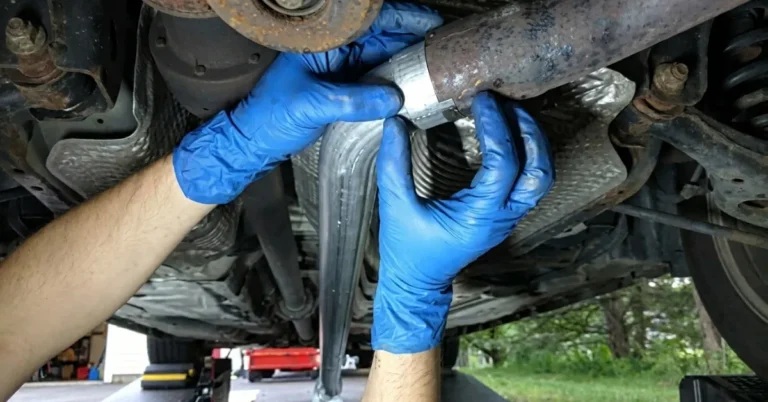
Get under your car safely with a flashlight. Look for anything broken, bent, or leaking. Fresh oil on a shock body means it’s blown and needs replacement.
Pro Tip: Take photos of both sides of your suspension. Compare them to spot differences you might miss looking at one side alone.
When Should You Get Professional Suspension Repair?
Some symptoms demand immediate attention. Others can wait for your next service appointment.
Get Help Immediately For:
- Metal grinding noises from any wheel
- Sudden changes in ride height
- Steering wheel vibration that wasn’t there before
- The car pulling hard to one side
- Any suspension component visibly broken or hanging
Schedule Service Soon For:
- Gradual increase in bouncing over bumps
- Minor clunking sounds
- Uneven tire wear patterns
- Slight pulling that’s getting worse
- Oil leaking from shocks or struts
Don’t put off suspension repairs. Bad suspension affects your engine repair needs too. The extra vibration damages motor mounts and other engine components. Everything connects.
A qualified technician performs a complete suspension inspection. They check every joint, bushing, spring, and shock. Most shops include this in a standard safety inspection. Professional car suspension repair san diego services use specialized tools to measure wear that isn’t visible to the naked eye.
Frequently Asked Questions
How long do suspension components typically last?
Shocks and struts last 50,000 to 100,000 miles depending on driving conditions. Ball joints and bushings often reach 80,000 to 120,000 miles. Springs rarely fail unless they’re damaged by corrosion or impact. Rough roads and heavy loads shorten these lifespans considerably.
Can I drive with bad suspension?
You can physically drive the car, but you shouldn’t. Bad suspension increases stopping distances, reduces control, and causes uneven tire wear. It also damages other components through excessive vibration. The risk of losing control in an emergency situation goes up significantly.
How much does suspension repair cost?
Replacing a single strut or shock runs $150 to $300 per corner including labor. Complete suspension overhauls range from $1,000 to $5,000 depending on your vehicle. Luxury and performance cars cost more. Catching problems early prevents costlier repairs down the line.
What causes suspension to fail prematurely?
Potholes and rough roads cause the most damage. Overloading your vehicle stresses components beyond their design limits. Lack of maintenance lets small problems become big ones. Corrosion from road salt weakens metal parts in cold climates. Aggressive driving wears components faster too.
Do I need to replace suspension parts in pairs?
Yes, replace shocks and struts in pairs on the same axle. Mixing old and new creates uneven handling. Springs should also be replaced in pairs. But you can replace a single control arm or ball joint if only one side is damaged.
Will bad suspension affect my fuel economy?
Worn suspension increases rolling resistance and makes your engine work harder. You might see a 10 to 15 percent drop in fuel economy. The uneven tire wear caused by bad suspension creates even more drag. Fresh suspension components restore efficiency.
Can alignment fix suspension problems?
No. Alignment adjusts the angles of your wheels within the range allowed by healthy suspension. If the suspension components are worn or damaged, alignment won’t hold. Fix the suspension first, then get an alignment. Most shops won’t align a car with bad suspension because it’s pointless.
Protect Your Safety With Proper Suspension Care
Your suspension works hard every mile you drive. It keeps you safe, comfortable, and in control. The symptoms above tell you when it needs help.
Pay attention to how your car feels and sounds. Small changes early warn you before major failures happen. Regular inspections catch problems while they’re still affordable to fix.
EAC Poway provides complete suspension diagnosis and repair for all makes and models. Our ASE-certified technicians use factory-spec parts and precision alignment equipment. Schedule your suspension inspection today and drive with confidence again.