What’s the Longest to Go Without an Oil Change? Here’s What San Diego Drivers Need to Know
You’ve been putting off that oil change for weeks maybe months. The sticker on your windshield shows a number that’s now in your rearview mirror. So what’s the actual limit before your engine suffers real damage?
Most vehicles can safely go 5,000 to 7,500 miles on conventional oil or 7,500 to 10,000 miles on synthetic oil under normal driving conditions. Some newer vehicles with synthetic oil can stretch to 15,000 miles. But here’s what matters more than those numbers: your specific driving habits, oil type, and vehicle recommendations determine your real limit.
San Diego’s stop-and-go traffic on the I-5 and hot summer temps create “severe driving conditions” that shorten these intervals by 30-50%. If you’re wondering whether you’ve pushed it too far, this guide covers the actual science behind oil degradation and when you’ve crossed from safe into risky territory.
How Long Can Different Oil Types Actually Last?
The answer depends entirely on what’s in your engine right now. Conventional oil breaks down faster than synthetic, and your driving patterns accelerate or slow that breakdown.
| Oil Type | Normal Conditions | Severe Conditions | Absolute Maximum |
| Conventional Oil | 3,000-5,000 miles | 2,000-3,000 miles | 5,000 miles |
| Synthetic Blend | 5,000-7,500 miles | 3,500-5,000 miles | 7,500 miles |
| Full Synthetic | 7,500-10,000 miles | 5,000-7,500 miles | 12,000 miles |
| Extended Synthetic | 10,000-15,000 miles | 7,500-10,000 miles | 15,000 miles |
That “absolute maximum” column represents the edge of safety. Go beyond it and you’re gambling with your engine’s lifespan.
What Qualifies as Severe Driving Conditions?
Most San Diego drivers fall into this category without realizing it. Severe conditions include:
- Frequent trips under 10 miles (your engine never fully warms up)
- Stop-and-go commuting on highways like I-805 or SR-163
- Temperatures above 90°F regularly (hello, San Diego summers)
- Towing or hauling heavy loads
- Dusty conditions (construction zones, off-road areas)
If two or more apply to you, cut your oil change interval in half from the “normal” recommendations.
What Actually Happens When Oil Gets Too Old?
Oil doesn’t just suddenly stop working it degrades gradually through contamination, oxidation, and additive depletion. Here’s the timeline of destruction inside your engine.
The First Stage: Additive Depletion (0-70% of Oil Life)
Fresh oil contains detergents, dispersants, and anti-wear additives. These chemicals neutralize acids, suspend dirt particles, and create a protective film on metal surfaces. As miles accumulate, these additives get consumed doing their jobs.
You won’t notice anything yet. Your engine runs normally. But protection is silently declining.
The Warning Stage: Viscosity Breakdown (70-90% of Oil Life)
Oil starts thinning out or thickening with sludge. Molecular chains break apart. The oil can’t maintain proper pressure or film thickness. This is when you might hear slight ticking at startup or notice the oil light flickering.
At this point, you’re overdue for a best oil change san diego service before damage accumulates.
The Danger Stage: Critical Failure (90-100%+ of Oil Life)
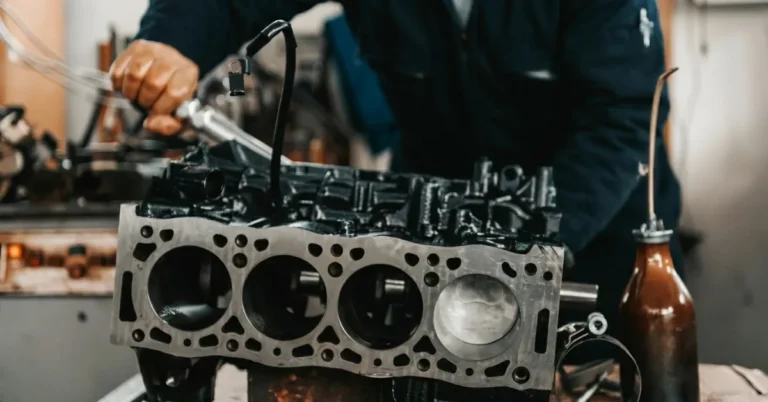
The oil turns to sludge or becomes so thin it acts like water. Metal-on-metal contact begins. Bearings wear. Pistons scrape cylinder walls. Heat spikes because friction increases.
Repairs at this stage cost $2,000-$8,000. An oil change costs $50-$120.
Pro Tip: If you’re more than 2,000 miles past your due date, get it changed immediately and request an engine inspection. Some damage may have already started.
Can You Really Drive 15,000 Miles Between Oil Changes?
Yes, but only under perfect conditions with the right oil and vehicle. Manufacturers like Honda, Toyota, and BMW now recommend 10,000-15,000 mile intervals for certain models using full synthetic oil.
These extended intervals assume:
- You’re using the exact synthetic oil spec required (usually 0W-20 or 5W-30)
- Your oil life monitoring system is functional and accurate
- You drive mostly highway miles at steady speeds
- You don’t idle excessively or tow anything
The reality? Most people don’t meet all these conditions. San Diego traffic alone disqualifies many drivers from extended intervals.
The Oil Life Monitor Isn’t Magic
Your dashboard oil life percentage uses an algorithm based on:
- Engine revolutions
- Temperature cycles
- Engine load
- Time elapsed
It doesn’t analyze the actual oil condition. If you’ve been using cheap oil or your engine burns oil between changes, that monitor is guessing based on ideal conditions that don’t match reality.
What Are the Warning Signs You’ve Waited Too Long?
Your engine will tell you when oil has degraded past safe limits. Watch for these symptoms that mean you need immediate service at a poway car repair shop.
Visual and Physical Indicators
- Dark, opaque oil on the dipstick: Fresh oil is amber and semi-transparent. Old oil looks like black mud.
- Gritty texture: If you rub oil between your fingers and feel particles, that’s metal and dirt suspended in failing oil.
- Low oil level: Degraded oil burns faster. If you’re a quart low before your change interval, you’re overdue.
- Burning oil smell: Overheated, broken-down oil smells acrid, not like normal petroleum.
Engine Performance Changes
- Ticking or knocking noises, especially at startup
- Reduced fuel economy (dirty oil increases friction)
- Sluggish acceleration
- Oil pressure warning light (this is an emergency stop driving)
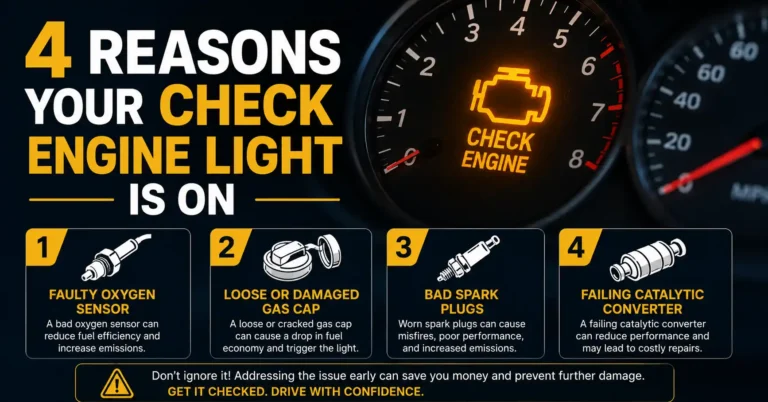
- Check engine light with codes related to variable valve timing
If you notice any of these, don’t wait. Drive directly to EAC Poway for service.
Does San Diego Weather Change Oil Life Expectations?
Yes. Heat accelerates oil oxidation and breakdown. San Diego’s average summer temps hit 75-85°F, but under-hood temperatures reach 200-250°F during operation.
High heat causes:
- Faster evaporation of lighter oil components
- Increased oxidation rates (oil reacts with oxygen and forms sludge)
- Accelerated additive depletion
- Thermal breakdown of molecular chains
If you regularly park outside in direct sun or sit in traffic where the engine idles hot, subtract 1,000-2,000 miles from standard oil change intervals.
Coastal Salt Air Impact
Living near the coast adds another variable. Salt air accelerates corrosion on engine components, and moisture can contaminate oil through the crankcase ventilation system. This matters more for vehicles that sit unused for weeks, but it’s worth considering if you combine infrequent driving with coastal proximity.
What Happens If You Go 20,000 Miles Without Changing Oil?
You’ll likely need engine repairs costing thousands of dollars. Here’s what mechanics find when they drain oil that’s gone double its intended lifespan.
The oil comes out looking like chocolate pudding thick, grainy, and full of metal particles. Inside the engine:
- Valve train damage: Hydraulic lifters stick. Timing chain tensioners fail. Variable valve timing solenoids clog.
- Piston ring wear: Rings stick in their grooves. Cylinder walls show scoring. Compression drops.
- Bearing damage: Connecting rod and main bearings show wear patterns. Oil clearances increase. Knocking develops.
- Oil pump failure: Sludge clogs the pickup screen. Pressure drops. The pump works harder and wears out.
Some engines survive this neglect. Most don’t. The repairs typically exceed the vehicle’s value if it’s older than 10 years.
Pro Tip: If you’ve accidentally gone 15,000+ miles on conventional oil, consider a engine flush service along with your oil change to remove built-up sludge. Your mechanic can inspect for early damage.
How Often Should You Really Change Your Oil in San Diego?
For most San Diego drivers: every 5,000 miles or 6 months with conventional oil, 7,500 miles or 6 months with synthetic. That’s the practical recommendation that balances cost with engine protection.
Adjust based on these factors:
- Commute under 10 miles each way: Change every 3,500-5,000 miles
- Mostly highway driving (15+ miles each way): Follow manufacturer recommendations
- Deliver packages or rideshare driving: Every 3,000-4,000 miles
- Vehicle sits unused for weeks: Change every 6 months regardless of miles
- Towing regularly: Every 3,000-5,000 miles
When in doubt, check your oil monthly. If it’s dark and you can’t see the dipstick through it, you’re overdue.
Does Oil Type Really Matter for Longevity?
Absolutely. Synthetic oil lasts 50-100% longer than conventional oil under identical conditions. The molecular structure makes the difference.
Conventional Oil Limits
Conventional oil is refined from crude petroleum. It contains impurities and has inconsistent molecular sizes. Under heat and stress, it breaks down faster. The practical limit is 5,000 miles even under ideal conditions.
Synthetic Oil Advantages
Synthetic oil is chemically engineered with uniform molecules. It resists oxidation better, maintains viscosity longer, and handles temperature extremes without breaking down. Quality synthetics easily reach 10,000 miles in normal use.
The cost difference? Conventional oil changes run $35-$60. Synthetic runs $60-$120. But synthetic lasts twice as long, so the per-mile cost is similar or lower.
Can Old Oil Cause Other Vehicle Problems?
Yes. Neglected oil changes create cascading problems beyond just engine wear. Dirty oil affects multiple systems.
Fuel System Contamination
Some vehicles have direct injection systems where fuel dilution occurs. Old oil that’s already contaminated makes this worse. You might need fuel injector san diego cleaning services more frequently if you oil changes regularly.
Emissions System Damage
Burning dirty oil sends extra particulates through your catalytic converter. Over time this clogs the converter, triggering check engine lights and eventually requiring a $1,000-$2,500 replacement.
Turbocharger Failure
If your vehicle has a turbo, old oil is its worst enemy. Turbos spin at 100,000+ RPM and rely on clean oil for cooling and lubrication. Sludged oil kills turbos within months. Replacement costs $1,500-$4,000.
Frequently Asked Questions
What’s the longest you can go without an oil change before engine damage?
With conventional oil, damage risks begin around 6,000-7,000 miles. With synthetic, you have until 12,000-15,000 miles before serious damage starts. But these are absolute maximums under perfect conditions most drivers should change oil much sooner.
Can I go 10,000 miles without an oil change?
Only if you’re using full synthetic oil and driving mostly highway miles in moderate temperatures. If you do short trips, sit in traffic, or drive in San Diego’s summer heat, 10,000 miles is too long. Aim for 7,500 miles maximum.
What happens if I’m 5,000 miles overdue for an oil change?
Your engine has likely sustained measurable wear to bearings, pistons, and valve components. Get the oil changed immediately and request an inspection. You may need additional services like engine flushing to remove sludge buildup.
How can I tell if my oil is too old without checking mileage?
Check the oil on your dipstick. If it’s completely black and opaque, gritty to the touch, or smells burned, it’s too old. Fresh oil is amber and transparent. Also listen for ticking noises at startup that indicates oil isn’t protecting properly.
Is the 3,000-mile oil change rule still accurate?
No. That rule comes from the 1970s when oil quality was lower. Modern conventional oil safely lasts 5,000 miles, and synthetic goes 7,500-10,000 miles. However, severe driving conditions can shorten these intervals back toward 3,000 miles.
Will oil changes void my warranty?
Potentially yes. Most vehicle warranties require maintenance records showing oil changes at manufacturer-recommended intervals. If you延期 changes and the engine fails, the manufacturer can deny warranty coverage for engine repairs.
Can I just add oil instead of changing it?
No. Adding fresh oil to old, contaminated oil doesn’t restore protection. The old oil’s degraded additives and accumulated contaminants remain. You must drain and replace all the oil to properly protect your engine.
Don’t Risk Engine Damage Get Your Oil Changed Today
If you’re reading this because you’re overdue, don’t any longer. Every additional mile adds measurable wear to your engine. EAC Poway offers fast, affordable oil changes with no appointment needed. Drive in today and protect your investment before minor neglect becomes a major repair bill.